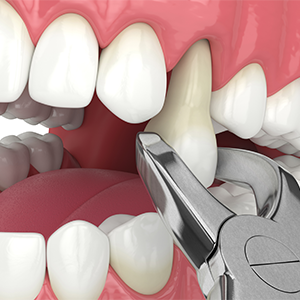
After a tooth extraction, your body needs time, rest, and proper nutrition to heal. While patients often focus on pain relief and oral hygiene, diet is equally critical in minimizing complications and accelerating recovery. Consuming the wrong foods too soon can disturb the protective blood clot, increasing the risk of dry socket, a painful condition that occurs in1% to 5% of routine extractions and up to 30% of impacted wisdom tooth cases.
If you're wondering what to eat after tooth extraction, we will discuss dentist-recommended food choices, foods to avoid, and the safest way to transition back to regular meals.
Why Your Diet Matters After a Tooth Extraction
After tooth extraction, your body forms a protective blood clot over the surgical site. This clot acts as a barrier, shielding the underlying bone and nerves while promoting tissue regeneration. Disturbing this clot through poor eating choices can lead to painful conditions such as dry sockets and prolonged healing.
Eating soft, nutrient-rich foods supports wound healing, reduces inflammation, and keeps the surgical area undisturbed. According to the American Dental Association (ADA), choosing the right foods can reduce discomfort and promote tissue repair.
Recommended Foods After Tooth Extraction
The first few days after your extraction are critical for initial healing. During this time, choose soft, cool, or lukewarm foods that are easy to consume without chewing. As healing progresses, you can gradually introduce foods with more texture.
Day 1: Liquids and Purees Only
Smoothies and Protein Shakes: Blend banana, yogurt, and protein powder. Avoid straws to prevent dislodging the clot.
Broth-Based Soups (lukewarm): Pureed vegetable or chicken broth helps hydrate and soothe.
Applesauce: Soft, non-acidic, and rich in vitamin C.
Cold Milk or Plant-Based Alternatives: Soothes tissues and provides nourishment.
Gelatin (like Jell-O): Easy to swallow and helps maintain hydration.
Day 2 to Day 3: Soft, Non-Chew Foods
Mashed Potatoes: Smooth and carbohydrate-rich to keep you energized.
Greek Yogurt: High in protein and probiotics to support tissue healing.
Cottage Cheese: Soft, mild, and easily digestible.
Pudding or Custard: Easy to eat and calorie-dense.
Oatmeal or Cream of Wheat: Choose warm, smooth varieties without toppings.
Day 4 to Day 7: Soft Chewable Foods
Scrambled Eggs: Gentle on gums and rich in protein.
Avocado (mashed or soft slices): Contains healthy fats and vitamins.
Soft-Cooked Pasta or Noodles: Easy to chew and digest.
Steamed Carrots or Zucchini: Soft vegetables that are nutrient-rich.
Flaky Baked Fish (e.g., cod or tilapia): Protein-rich and easy to chew gently.
After Day 7: Transitioning Back to a Normal Diet
Ground Chicken or Turkey: Soft, moist, and high in protein.
Soft Sandwiches (no crusts): Use egg or tuna salad fillings.
Cooked Rice or Quinoa: Plain, soft grains that are easy on the mouth.
Pancakes or Soft Muffins: Avoid nuts or coarse toppings.
Tofu or Soft Beans: Plant-based proteins that are gentle to chew.
Pro Tip: Always test a small bite first. If it causes discomfort or pressure, return to softer foods. Stay hydrated by drinking water from a cup, never a straw.
Foods to Avoid After Tooth Extraction
Knowing what not to eat is equally important. Certain textures and ingredients can irritate the surgical site or dislodge the protective clot, increasing the risk of infection.
Crunchy or Hard Foods: Avoid chips, nuts, crackers, and raw vegetables, as they can injure the extraction site.
Spicy and Acidic Foods: Spicy dishes and acidic ingredients such as citrus fruits and vinegar may cause stinging and inflammation.
Hot Foods and Beverages: High temperatures can dissolve the clot and delay healing. Always allow hot items to cool before consumption.
Sticky or Chewy Foods: Avoid gum, caramel, and chewy bread as they may stick to or disturb the healing tissue.
Alcohol: Alcohol can interfere with medications and impair healing. Avoid it for at least 72 hours or as advised by your dentist.
Drinking Through a Straw: Using a straw creates a suction that can dislodge the clot and cause a dry socket. Sip directly from a cup instead.
How Long Should You Follow a Soft Diet?
The duration of a soft food diet depends on your procedure and healing response. Most patients can reintroduce normal foods within five to seven days for simple extractions. For surgical extractions or wisdom teeth removal, continue with soft foods for ten to fourteen days.
Healing times vary. Always follow the personalized post-op instructions provided by Dr. Afroz Burges, DDS, PA, and monitor how your mouth responds. A gradual return to solid foods ensures long-term oral health.
Tips for Eating Safely After a Tooth Extraction
Practicing mindful eating during your recovery helps protect the surgical site and promotes healing. Follow these tips to avoid complications:
Chew on the opposite side to avoid pressure on the extraction site.
Take small bites and eat slowly to minimize strain on your jaw.
Avoid carbonated and sugary drinks that can irritate the healing area.
Wait 24 hours before rinsing with warm salt water to clean the site gently.
Keep fingers and tongue away from the extraction area to avoid disturbing the clot.
Key Takeaways for a Healthy Recovery
Understanding what to eat after tooth extraction is essential for a successful recovery. A soft, nutrient-dense diet supports healing, prevents irritation, and reduces the risk of complications like dry sockets. Avoiding hot, crunchy, spicy, and sticky foods is equally important. Follow your dentist's instructions and take a gradual approach to resuming your normal diet. When in doubt, choose softer options and prioritize hydration and comfort.
Need Help Choosing What to Eat After Tooth Extraction?
Professional guidance can make a difference if you're unsure about what to eat after tooth extraction or have concerns about recovery. Dr. Afroz Burges, DDS, PA, provides compassionate, personalized post-extraction care to help you heal safely and comfortably.
What is the safest food to eat after tooth extraction?
Soft, cool foods like applesauce, mashed potatoes, smoothies (without a straw), and lukewarm soups are among the safest choices. These foods minimize chewing, reduce irritation, and help preserve the protective blood clot.
How long after tooth extraction should I eat food?
Once bleeding has stopped, you can start eating soft, room-temperature foods one to two hours after the procedure. Avoid hot or chewy foods in the first 24 hours, and follow your dentist's specific recommendations.
Why no dairy after tooth extraction?
Some dentists advise avoiding dairy in the first 24 hours because it may interact with antibiotics or cause mild digestive upset. While not strictly prohibited, limiting dairy early on can help prevent irritation for some individuals.
Do and don'ts after tooth extraction?
Do: Rest, stay hydrated, eat soft foods, take medications as prescribed, and rinse with salt water after 24 hours. Don't smoke, use straws, eat spicy or crunchy foods, or disturb the surgical site with your tongue or fingers.
Why do dentists ask you to eat ice cream after tooth extraction?
Ice cream is often recommended because its cold temperature soothes the area, reduces inflammation, and provides comfort. Choose soft, plain ice cream and avoid toppings that could irritate or injure the extraction site.
At Afroz Burges DDS, PA, we are committed to providing personalized, top-quality dental care for every patient. Our skilled team uses the latest technology to deliver comfortable and thorough care for patients of all ages. From routine check-ups and cleanings to advanced cosmetic and restorative treatments, we’re here to help you achieve a healthy, radiant smile. Your dental health is always our highest priority in our friendly and inviting office. Discover the difference with care you can trust at Afroz Burges DDS, PA!
We are Dental Implant Specialists in Pearland, TX
At Afroz Burges DDS, PA, we specialize in dental implants, offering a strong, natural-looking solution for replacing missing teeth. Unlike dentures, our dental implants are securely anchored into the jawbone, ensuring stability and support that feel just like your own teeth. These implants help preserve the structure of your jaw and prevent bone loss, improving both function and appearance. With proper maintenance, dental implants are a long-lasting choice that allows you to eat, speak, and smile confidently. Contact us today to discover how dental implants can restore your smile and enhance your quality of life.