Book Appointment

Transforming Your Smile | Can You Get Veneers with Missing Teeth

Published on: Jan 22, 2024

A confident smile is more than just aesthetics—it can influence your self‑esteem, the way people perceive you, and even professional opportunities. Unfortunately, missing teeth can make you feel self‑conscious, holding you back from smiling freely.

For decades, dental veneers have been one of the most popular cosmetic methods to enhance smiles. But there’s a common question dentists hear almost daily:

"Can I get veneers if I have missing teeth?"

At first glance, the answer might seem like a simple yes or no, but just like most dental treatments, the truth is a bit more complex. In this guide, we’ll go in‑depth about veneers, what’s possible with missing teeth, treatment combinations, benefits, limitations, and practical steps for achieving your best smile.

What Exactly Are Dental Veneers?

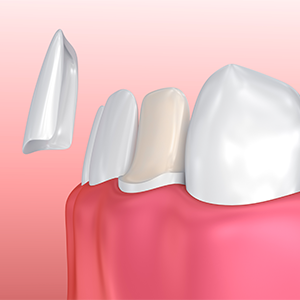
Dental veneers are thin, custom‑made shells—usually made from porcelain or composite resin—designed to cover the front surface of teeth. Think of them as cosmetic armor for your smile that hides imperfections and creates a flawless, natural‑looking appearance.

They’re a go‑to choice for fixing:

  • Stubborn discoloration not treatable with whitening
  • Chips and cracks
  • Slight misalignments
  • Gaps between teeth
  • Teeth that are worn down or uneven in length

The beauty of veneers lies in their ability to instantly transform the look of your smile without invasive surgery.

Types of Veneers

Let’s break them down so you understand your options:

1. Porcelain Veneers

  • Made from high‑quality ceramic that closely mimics tooth enamel.
  • Resistant to stains from coffee, tea, wine, and smoking.
  • Can last between 10–15 years (sometimes longer with great care).
  • Reflect light like natural teeth, giving a life‑like appearance.

2. Composite Veneers

  • Crafted from tooth‑colored resin material.
  • Can often be applied in a single appointment.
  • Less costly than porcelain veneers but usually last 5–7 years.
  • More prone to staining and chipping over time.

3. Instant (Pre‑fabricated) Veneers

  • “Snap‑on” style or pre‑made shells that can be placed quickly.
  • Great for temporary situations such as events, photo shoots, or testing the look before committing to permanent veneers.
  • Not custom to your teeth, so natural blending may be less perfect.

Can You Get Veneers With Missing Teeth?

Here’s where we get to the big question. The short answer is:

Veneers cannot directly replace missing teeth.

Why? Because veneers require a solid foundation—a healthy natural tooth—onto which they are bonded. If a tooth is missing, there’s nothing to attach the veneer to.

However, you can still get veneers in combination with other dental treatments that replace missing teeth, such as bridges, dental implants, or dentures. Together, they can create a uniform, seamless smile.

Factors That Influence Veneer Options When Missing Teeth

  • Number & Location of Missing Teeth

      • Missing one front tooth? You might replace it with an implant or bridge, then use veneers on surrounding teeth to match shade and shape.
      • If your gaps are in the back teeth (molars), veneers aren’t applied there anyway—they’re mainly for your visible “smile zone.”
  • Condition of Remaining Teeth

      • Remaining teeth must be healthy and free from severe decay.
      • Gum disease must be treated before any veneer procedure.
  • Desired Outcome

      • Veneers improve appearance, not chewing ability.
      • Your dentist will evaluate whether minor reshaping, whitening, or gum contouring is also beneficial.
  • Budget & Timeline

    • Porcelain veneers take 2–3 visits; combining with implants can take months because implants require healing time.

How Dentists Combine Veneers with Tooth Replacement?

To achieve the best results with dental veneers for missing teeth, dentists often combine cosmetic veneers with restorative treatments.

1. Dental Implants + Veneers

  • Dental implants are titanium posts placed in the jaw to act as artificial roots.
  • Once healed, a natural‑looking crown is attached to the implant.
  • Veneers can then be placed on neighboring teeth for perfect color and shape harmony.
  • This is the most durable, long‑term solution.

Example

If you’re missing your front left tooth, an implant and crown replace it. Veneers on the right front tooth and others make the whole smile identical in brightness and alignment.

2. Bridges + Veneers

  • A dental bridge uses crowns on neighboring teeth to anchor an artificial tooth in between.
  • If those anchor teeth are uneven or discolored, your dentist may design them as veneers/crowns to unify your smile.
  • Bridges work faster than implants but may require some reduction of healthy supporting teeth.

3. Dentures + Veneers

  • Partial dentures can replace multiple missing teeth and work alongside veneers if natural front teeth remain.
  • Implant‑supported dentures can also be blended with veneers in partial cases.
  • Full removable dentures typically replace all teeth, so veneers wouldn’t apply unless some teeth are still retained.

Benefits of Treating Missing Teeth & Using Veneers Together

  1. Seamless Symmetry: One major advantage of dental veneers for missing teeth (when paired with implants or bridges) is a seamless, natural-looking smile.
  2. Restored Confidence: Many patients report feeling comfortable smiling, speaking, and eating again after combined treatment.
  3. Comprehensive Oral Health Approach: Replacing missing teeth restores function, while veneers address cosmetic flaws—covering the “health + beauty” aspects. 
  4. Customised Outcome: Your dentist can fine‑tune tooth length, width, and whiteness to achieve the exact result you envision.

Limitations & Considerations

While veneers are powerful cosmetically, they aren’t a universal solution:

  • It’s important to understand that dental veneers for missing teeth are cosmetic enhancements—not functional replacements.
  • Teeth that are too damaged or decayed might require dental crowns instead of veneers.
  • The process is irreversible—once enamel is removed for veneer placement, the tooth will always require a covering.
  • Risk factors like teeth grinding or jaw misalignment can reduce veneer lifespan.
  • Costs are typically per tooth—and porcelain veneers can range from $900–$2,500 each, depending on region and dentist expertise.

Alternatives to Veneers for Missing Teeth Cases

If you have multiple missing teeth or damaged teeth, you might explore these first:

Treatment

Best For

Primary Benefit

Dental Implants Single/multiple tooth loss Permanent, natural look & feel
Bridges One or two missing teeth in a row Fixed, no surgery like implants
Partial Dentures Several missing teeth Cost-effective, removable
Full Dentures All teeth missing Complete replacement, removable
Crowns Severely damaged existing teeth Protects and restores tooth function

The Veneer Journey When You Have Missing Teeth

  1. Consultation & Examination: Comprehensive check‑up including dental X‑rays, gum evaluation, and bite analysis.
  2. Treatment Planning: The dentist maps out whether missing teeth will be replaced with an implant, bridge, or denture, and where veneers will be placed.
  3. Tooth Replacement Stage: Implants are inserted (with healing time), or bridges/dentures are fitted.
  4. Veneer Preparation: A thin layer of enamel is removed from the front of teeth to make room for veneers.
  5. Impressions or Digital Scan: Used to create veneers that fit perfectly.
  6. Temporary Veneers (when needed): Protects teeth and maintains smile aesthetics during the wait.
  7. Bonding Appointment: Permanent veneers are cemented in place.
  8. Final Adjustments: Bite alignment and polish for the perfect finish.

Aftercare Tips for Veneers & Restorations

  • Brush with a soft‑bristled toothbrush and fluoride toothpaste twice daily.
  • Floss gently or use interdental brushes to avoid tugging near gum lines.
  • Avoid using teeth to open packages or biting extremely hard foods.
  • Schedule dental checkups every 6 months for cleaning and veneer inspection.
  • If you grind your teeth at night, ask about a night guard.

Bottom Line: Can You Get Veneers With Missing Teeth?

dental veneers for missing teeth are possible only when the gap is first restored using implants, bridges, or dentures.

After replacement, veneers can work their magic—making the restored tooth blend seamlessly with the rest, improving shape, color, and balance.

Final Takeaway

If you have missing teeth but dream of a stunning, uniform smile, there’s great news:
A skilled dentist can use a combination of tooth‑replacement and cosmetic veneer techniques to give you a result that’s both beautiful and functional.

Your smile makeover plan might be a journey over several months, but the outcome is worth it—a confident smile that feels just as good as it looks.

Ready to explore your smile options? Consult with an experienced cosmetic and restorative dentist, like Dr. Afroz Burges, who can tailor a plan to your exact needs. Whether you need a single implant, whitening, and veneers, or a more extensive restoration, the right treatment mix will help you reclaim your confidence.

FAQs

Can you get dental veneers if you have missing teeth?

No, veneers cannot be placed directly over gaps from missing teeth because they need a natural tooth as a foundation. You must first replace the missing tooth with an implant, bridge, or denture, then veneers can be used on adjacent teeth for an overall aesthetic improvement.

What problems can veneers fix?

Dental veneers can fix discolored teeth, chips, cracks, misshapen teeth, mild gaps between teeth, and teeth that are uneven or worn down.

How long do dental veneers last?

Porcelain veneers can last 10–15 years or longer with proper care, while composite veneers typically last 5–7 years before needing replacement.

Are veneers only cosmetic or do they offer any functional benefits?

Veneers are primarily cosmetic and do not restore function lost from missing teeth. They can improve appearance and protect the tooth’s surface, but you’ll need restorative procedures for chewing and biting.

What is the process for getting dental veneers if you have missing teeth?

First, the dentist replaces missing teeth with implants, a bridge, or a denture. Once the missing teeth are restored, veneers can be placed on remaining or adjacent natural teeth to improve aesthetics.

SHARE

At Afroz Burges DDS, PA, we are committed to providing personalized, top-quality dental care for every patient. Our skilled team uses the latest technology to deliver comfortable and thorough care for patients of all ages. From routine check-ups and cleanings to advanced cosmetic and restorative treatments, we’re here to help you achieve a healthy, radiant smile. Your dental health is always our highest priority in our friendly and inviting office. Discover the difference with care you can trust at Afroz Burges DDS, PA!

We are Dental Implant Specialists in Pearland, TX

At Afroz Burges DDS, PA, we specialize in dental implants, offering a strong, natural-looking solution for replacing missing teeth. Unlike dentures, our dental implants are securely anchored into the jawbone, ensuring stability and support that feel just like your own teeth. These implants help preserve the structure of your jaw and prevent bone loss, improving both function and appearance. With proper maintenance, dental implants are a long-lasting choice that allows you to eat, speak, and smile confidently. Contact us today to discover how dental implants can restore your smile and enhance your quality of life.

GET IN TOUCH FOR YOUR BEST ORAL HEALTH SOLUTION

Make Your Consultation Now!

Request Appointment
© 2026 Afroz Burges DDS, PA | Sitemap Privacy Policy
Dental Marketing by WEB MARKETING FOR DENTISTS